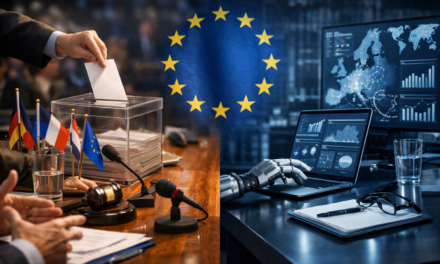
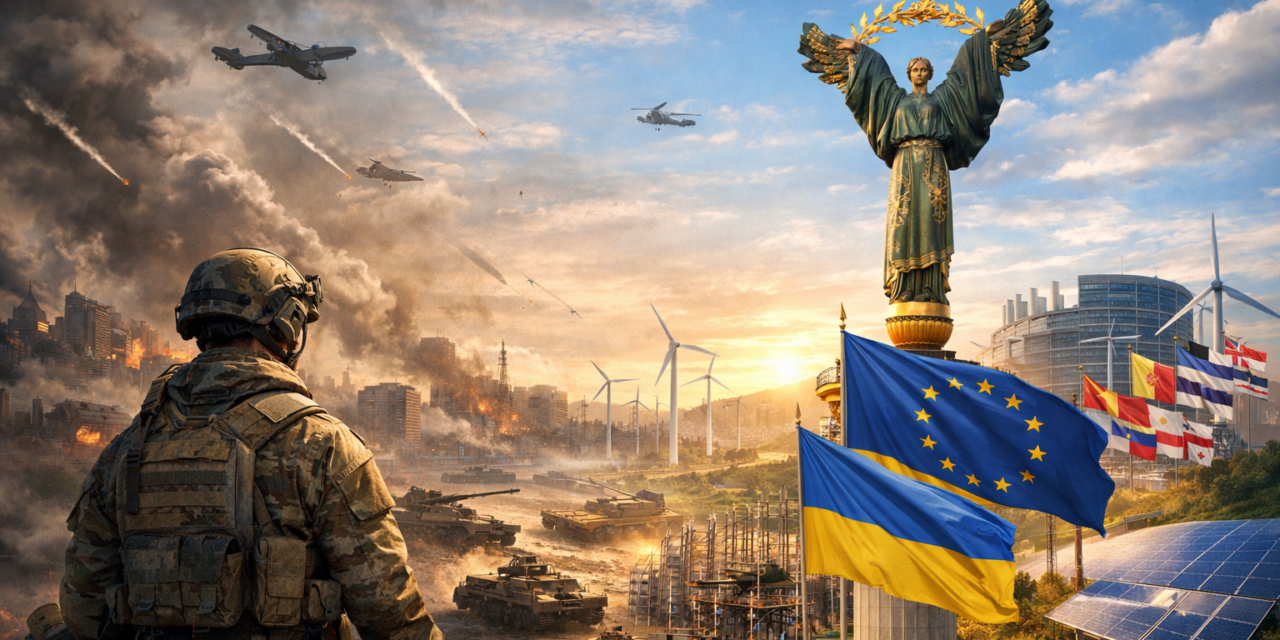
The period leading up to April 15, 2026, is poised to be a critical juncture for both Ukraine and the European Union’s enlargement policy. As Russia’s full-scale invasion of Ukraine continues to shape the geopolitical landscape, the international community, particularly European nations and institutions, faces significant challenges and opportunities. The unwavering support for Ukraine, encompassing military, financial, and humanitarian aid, has become a cornerstone of Western foreign policy. Simultaneously, the prospect of Ukraine’s eventual membership in the European Union, alongside other aspirant nations, is increasingly intertwined with the ongoing conflict and the broader strategic considerations of European security and stability. This essay will explore the multifaceted dimensions of support for Ukraine and the evolution of the EU’s enlargement policy up to April 15, 2026, examining the drivers, challenges, and potential trajectories of these interconnected phenomena.
The Evolving Landscape of Support for Ukraine
Since February 24, 2022, the international response to Russia’s aggression has been characterized by a remarkable degree of unity and resolve. This support for Ukraine has manifested in several key areas. Militarily, a coalition of over 50 countries has provided unprecedented levels of weaponry, training, and intelligence to help Ukraine defend its sovereignty and territorial integrity. This assistance ranges from defensive armaments like anti-tank missiles and air defense systems to more sophisticated offensive capabilities, including tanks and artillery. The ongoing provision of these resources is crucial for Ukraine’s ability to withstand Russian advances and eventually reclaim occupied territories. The strategic objective by April 2026 will likely involve not only sustaining current levels of military aid but also adapting to Ukraine’s evolving battlefield needs and Russia’s strategic responses. This could include commitments for longer-term security guarantees and the development of Ukraine’s indigenous defense industry, fostered by Western partnerships and technology transfer.
Financially, Ukraine’s economy has been devastated by the war. International financial institutions and individual countries have pledged billions of dollars to support the Ukrainian government’s operations, macroeconomic stability, and essential public services. This aid is vital for preventing economic collapse and ensuring the continuity of state functions. By April 2026, the focus will likely shift towards reconstruction and recovery efforts. The formation of robust international mechanisms for managing reconstruction funds, ensuring transparency and accountability, will be paramount. This will involve coordinating efforts between governments, international organizations, and the private sector to rebuild infrastructure, revive industries, and support displaced populations.
Humanitarian assistance remains a critical component of international support. Millions of Ukrainians have been displaced internally or have sought refuge in neighboring countries and beyond. International organizations and NGOs have been instrumental in providing food, shelter, medical care, and psychological support to those affected by the conflict. The long-term challenge by 2026 will be to facilitate the safe and voluntary return of refugees and internally displaced persons, and to address the profound humanitarian needs arising from years of displacement and trauma.
Beyond direct aid, diplomatic and political support for Ukraine has been steadfast. This includes condemning Russia’s actions in international forums, imposing sanctions on Russia, and advocating for accountability for war crimes. The political support has also translated into concrete steps towards Ukraine’s integration into Western structures.
The European Union’s Enlargement Policy in a New Era
The war in Ukraine has injected new urgency and strategic significance into the European Union’s enlargement policy. Historically, enlargement has been a powerful tool for promoting democracy, stability, and economic integration in Europe. However, it has also been a complex and often contentious process. The granting of candidate status to Ukraine and Moldova in June 2022, and the subsequent steps towards opening accession negotiations, represent a significant shift in the EU’s approach. This acceleration is driven by a confluence of factors, including Ukraine’s demonstrated commitment to European values, the strategic imperative of anchoring Ukraine firmly within the Western sphere, and the recognition that a stable and prosperous Ukraine is crucial for European security.
The EU’s enlargement policy until April 15, 2026, will be shaped by the need to balance the geopolitical imperative of welcoming new members with the existing challenges of internal EU reform and absorption capacity. For Ukraine, the path to membership will be arduous. It will require the successful implementation of a comprehensive reform agenda, focusing on strengthening the rule of law, combating corruption, and ensuring the independence of the judiciary. The EU’s accession process is built on strict conditionality, and Ukraine will need to demonstrate substantial progress in these areas. The European Commission will play a crucial role in assessing Ukraine’s readiness, providing guidance and monitoring progress. The opening of accession negotiations in itself is not a guarantee of membership; it is the beginning of a long and demanding process.
Moldova, also granted candidate status and opening accession negotiations, faces similar challenges, exacerbated by its proximity to the conflict and its own internal political and economic vulnerabilities. Georgia has also applied for membership and is awaiting a decision on its candidate status, a process that will be influenced by its reform efforts and geopolitical considerations.
The Western Balkan countries, whose accession process has been ongoing for years, will also be a key focus. While the war in Ukraine has overshadowed their candidacies, the EU remains committed to their European perspective. However, progress in the Western Balkans has been slow, often hampered by bilateral disputes, internal political challenges, and a perception of stalled momentum. By April 2026, the EU will likely seek to revitalize the accession process for these countries, perhaps by exploring more flexible or gradual integration pathways, while ensuring that the fundamental principles of enlargement are upheld. This could involve closer engagement in specific policy areas, such as the single market or the customs union, even before full membership is achieved.
Challenges and Opportunities on the Road Ahead
The period up to April 15, 2026, presents a complex interplay of challenges and opportunities for both Ukraine and the EU’s enlargement policy. For Ukraine, the primary challenge remains the ongoing war and its devastating consequences. The country needs to not only defend itself but also to rebuild its economy, repair its infrastructure, and reform its institutions under immense pressure. The political will and capacity to undertake these ambitious reforms while embroiled in a conflict will be severely tested. Furthermore, the specter of Russian interference and destabilization efforts will continue to loom large, posing a constant threat to Ukraine’s progress.
The EU faces its own set of challenges. Enlargement requires significant financial resources and a willingness to adapt its own internal structures and decision-making processes. The debate within the EU about the optimal pace and scope of enlargement is ongoing, with some member states advocating for a more cautious approach and others for a bolder, more accelerated path. Reaching consensus among 27 member states on complex accession issues will remain a significant hurdle. Moreover, the war has highlighted vulnerabilities within the EU itself, prompting discussions about strategic autonomy and the need for greater resilience. Addressing these internal challenges will be crucial for the EU to effectively manage an expanded membership.
Despite these challenges, the opportunities presented by this period are also significant. The shared commitment to European security and democratic values, forged in the crucible of war, has the potential to strengthen the EU and create a more stable and prosperous continent. For Ukraine, the prospect of EU membership offers a powerful incentive for reform and a beacon of hope for a brighter future. Successful integration would not only benefit Ukraine but also enhance the EU’s global standing and its capacity to address shared challenges.
The development of a robust and transparent reconstruction framework for Ukraine by April 2026 could serve as a model for future post-conflict recovery efforts. This framework will need to be built on principles of good governance, accountability, and sustainability, ensuring that international aid is used effectively and contributes to long-term development. The EU’s engagement in this process will be critical, providing both financial and technical support.
Furthermore, the ongoing military support to Ukraine, if sustained and adapted, can contribute to a lasting peace and security settlement in the region. This may involve exploring new security architectures for Europe that acknowledge the realities of the post-invasion landscape and provide credible guarantees for Ukraine and its neighbors.
The enlargement process itself, if managed effectively, can be a catalyst for deeper integration and reform within the EU. By embracing new members, the EU can revitalize its own project and adapt to the evolving geopolitical realities. The emphasis on rule of law and democratic reforms in aspirant countries can also serve as a mirror, encouraging the EU to reflect on and strengthen its own adherence to these principles.
Conclusion
The period until April 15, 2026, is a pivotal moment for Ukraine and the European Union’s enlargement policy. The unwavering international support for Ukraine, encompassing military, financial, and humanitarian aid, is essential for its survival and eventual recovery. Simultaneously, the EU’s commitment to enlargement, exemplified by the candidate status and opening of accession negotiations with Ukraine and Moldova, represents a strategic recalibration driven by the imperative of European security and democratic values. While significant challenges lie ahead, including the ongoing war, the complexities of institutional reform, and the need for sustained political will, the opportunities for a more stable, prosperous, and integrated Europe are also substantial. By navigating these challenges with determination and foresight, the international community and the EU can help shape a positive trajectory for Ukraine and reinvigorate the transformative power of European integration. The success of this endeavor will hinge on continued solidarity, strategic adaptation, and a steadfast commitment to the principles of democracy and self-determination.
Bibliography
- European Commission. Enlargement Reports and Reform Assessments for Ukraine, Moldova and the Western Balkans (2022–2026).
- Council of the European Union. Conclusions on Ukraine, European Security and Enlargement Policy (2022-2026).
- European Parliament. Resolutions on Russian Aggression, Military Support and Ukraine’s Reconstruction (2022-2026).
- World Bank. Ukraine Rapid Damage and Needs Assessment (2022-2025).
- International Monetary Fund. Ukraine Program Review and Macroeconomic Outlook (2022-2026).
- Annual Reports and Strategic Communications on Eastern Flank Security (2022-2026).
- Ukraine Refugee Situation Reports (2022-2026).
- Reconstruction and Governance Frameworks for Post‑Conflict States (2023-2026).
- European Court of Auditors. Special Reports on EU Financial Assistance and Reconstruction Mechanisms (2023-2026).
- European External Action Service. Strategic Outlook on Russia, the Eastern Partnership and European Security Architecture (2022-2026).
References:
https://link.springer.com/article/10.1057/s41311-024-00629-x
https://ideas.repec.org/p/zbw/ifwkie/320382.html
https://ideas.repec.org/a/cjk/ajlaps/v4y2025i1p26-45id362.html